

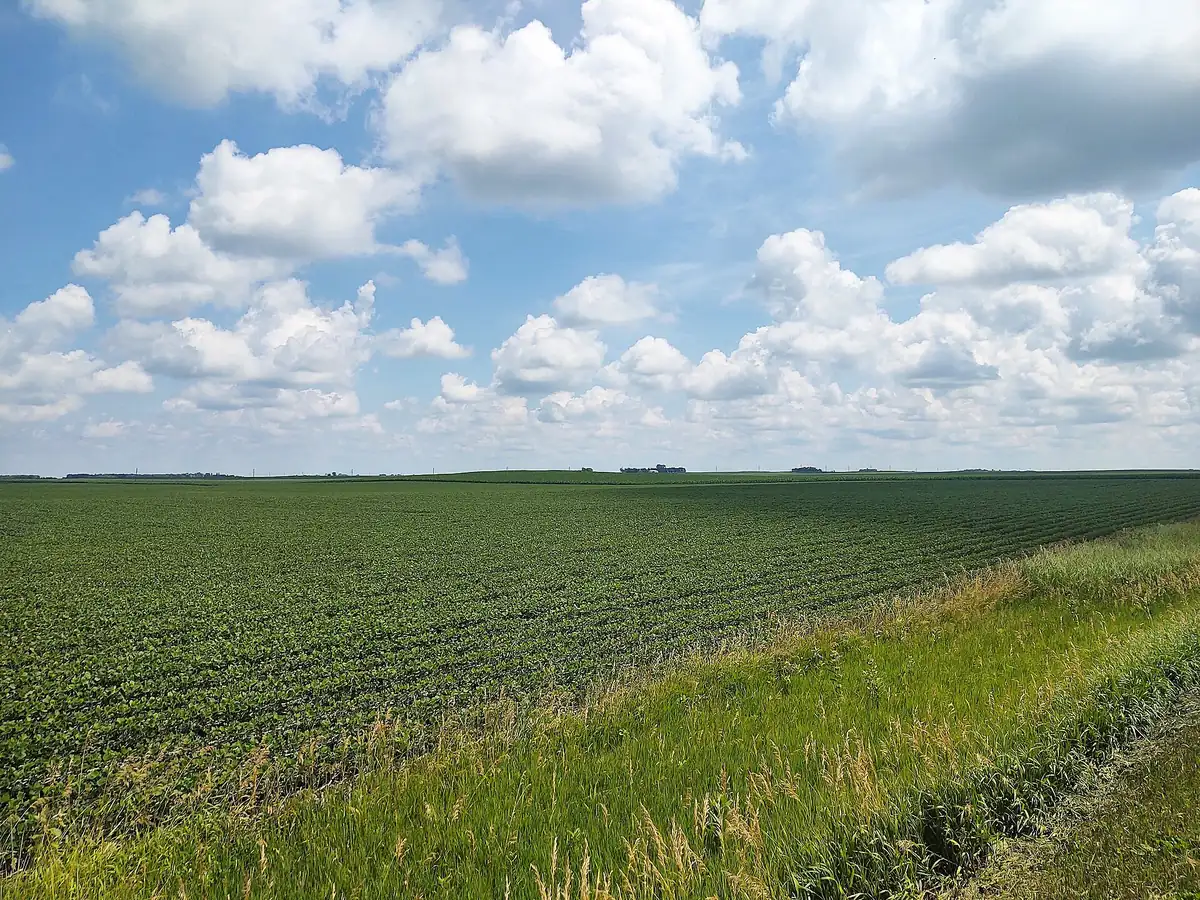
Yes. Vacant land can be bought in a 1031 exchange, and land can also be sold as the relinquished property, as long as both properties are held for investment or for productive use in a trade or business. Under the like-kind rules, US real property is generally like-kind to other US real property, so you can exchange a rental house for raw land, or land for a rental building.
This article focuses on the specific question of using vacant land in an exchange. Our full guide to the 1031 exchange for land covers the whole process in more detail. This is general information, not tax advice; work with a qualified intermediary and a tax professional.
Does vacant land count as like-kind property?
The IRS explains that real properties are generally of like kind with each other regardless of whether they are improved or unimproved. That means improved property such as an apartment building can be exchanged for unimproved land, and the reverse. What matters most is how you hold the property, not whether there is a building on it. Since 2018, Section 1031 exchanges apply only to real property, not personal property. The IRS overview is on its like-kind exchange tax tips page.
When does land not qualify for a 1031 exchange?
- Land held primarily for sale. If you are a dealer who buys, subdivides, and sells lots as inventory, that land generally is not eligible.
- Personal use. Land you plan to build your own home on is not held for investment.
- Foreign land. US real property and foreign real property are not like-kind.
- A quick flip. The tax code does not set an exact minimum holding period, but short holding periods can make it harder to show investment intent.
Can you sell a rental property and buy land?
Yes. Exchanging out of a rental home or commercial building into raw land is a common strategy for investors who want to stop managing tenants. Keep in mind that raw land usually produces no income, and you lose the depreciation you were claiming on the building, so the decision should make sense beyond the tax deferral.
Can you build on land bought in a 1031 exchange?
You can build on investment land after the exchange is complete, for example to create a rental. If you want exchange funds to pay for construction, that requires a more complex structure, often called an improvement or build-to-suit exchange, where the intermediary or an exchange accommodation titleholder holds the property while improvements are made within the deadlines. Only improvements completed within the exchange period count toward the replacement value.
What are the 1031 exchange deadlines?
For a standard delayed exchange, you must identify potential replacement properties within 45 days after selling the relinquished property and close on the replacement within 180 days (or by your tax return due date, if earlier, unless you extend the return). The deadlines run at the same time and are strict. Land deals can be slow because of surveys, perc tests, and zoning checks, so start due diligence early.
How do you avoid taxable boot?
To defer all of the gain, investors generally aim to buy replacement property of equal or greater value and reinvest all of the net proceeds. Cash taken out, or a reduction in debt that is not replaced, can create taxable “boot.” A qualified intermediary must hold the sale proceeds; if you receive the money yourself, the exchange can fail.
What mistakes do investors make with land in a 1031?
- Waiting until after closing the sale to find an intermediary.
- Identifying land that later fails due diligence with no backup properties.
- Buying land intended for a personal home.
- Misjudging the value needed and ending up with boot.
- Ignoring state tax rules, since some states have their own requirements.
Is exchanging into raw land a good idea?
It can fit investors who want a lower-maintenance asset, land banking near growth areas (see our land banking strategy guide), or a future development site. It is less suitable for investors who need income, because land has carrying costs like property tax and usually no rent. Weigh those factors before committing exchange proceeds.
How do you show that land is held for investment?
Because intent drives eligibility, investors should be able to show why they hold the land. Helpful evidence can include how the land was described in purchase documents, consistent reporting on tax returns, an investment rationale such as appreciation in a growth corridor or future leasing, a reasonable holding period, and the absence of personal use. Leasing land for farming, grazing, timber, billboards, or cell towers can also support investment or business use. None of these alone guarantees a result, so keep records and ask your tax advisor what documentation they recommend.
How does financing work in a land exchange?
If the property you sell had a mortgage, you generally need to replace that debt on the land you buy or add cash to make up the difference to avoid boot. That can be tricky with land, because many lenders want large down payments on vacant land and some will not lend on raw parcels at all. Line up financing early, and if a lender’s terms might not fit within the 180-day window, identify backup properties. Seller financing on the replacement land is sometimes used, but discuss structure with your intermediary first.
Frequently asked questions
Can I 1031 exchange land for a house?
Yes, if the house is held as an investment or rental, not as your personal residence.
Can I exchange farmland for commercial property?
Generally yes. US real property held for investment or business use is broadly like-kind.
Do I need a qualified intermediary for a land exchange?
For a standard delayed exchange, yes. The intermediary holds the funds so you do not have actual or constructive receipt.
How long must I hold land after a 1031 exchange?
There is no specific holding period in the statute, but you must show the land was acquired to hold for investment. Many advisors suggest caution with short holds.