

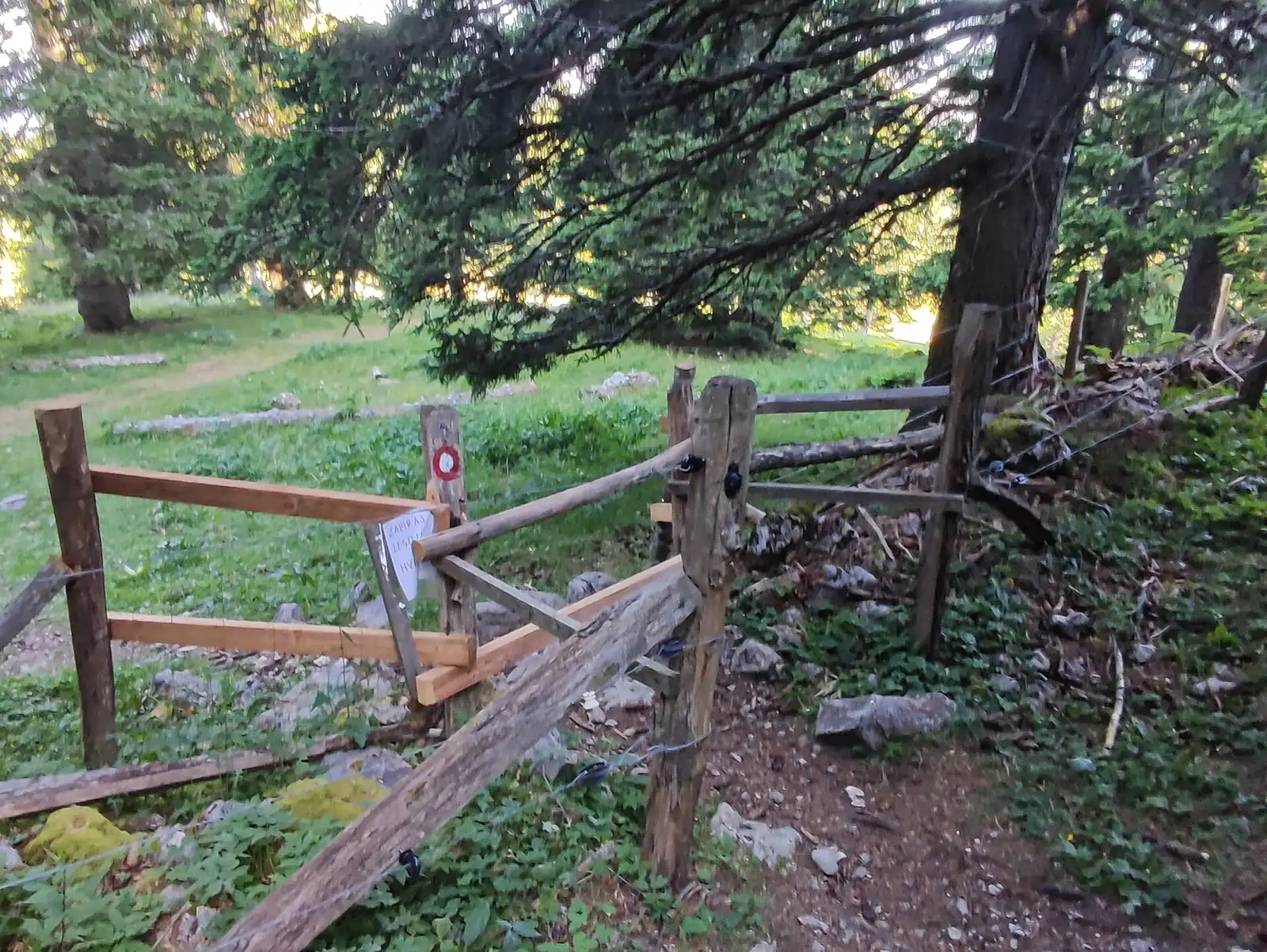
Sometimes. A landowner generally does not have to let a neighbor cross their land unless a legal right of access exists, such as a recorded easement, an easement by necessity, a prescriptive easement, or a right created under a state statute. If one of those applies, denying access can be challenged in court. Whether you can refuse depends on the facts, the history of the parcels, and state law.
This article looks at the question from both sides: the owner being asked for access and the owner of the landlocked parcel. For buyer-focused advice, see our guide on landlocked property and road access. This is general information, not legal advice; property access law varies widely by state.
What is a landlocked property?
A landlocked parcel has no legal access to a public road. It may have physical access, such as an old farm track across a neighbor’s land, but no recorded right to use it. Without legal access, it can be hard to build, get a mortgage, or sell the parcel.
When can you lawfully deny access?
If there is no easement and no other legal right, a landowner can generally refuse to let someone cross their property. Allowing a neighbor to cross informally, with permission, usually does not create a permanent right, as long as the permission is clear. You can also limit or revoke informal permission, though it is wise to do this in writing.
When can you not deny access?
- Recorded easement. If a deed or recorded agreement grants an access easement, you must honor it according to its terms. Our article on easements on land explains how these work.
- Easement by necessity. Courts in many states recognize an easement when a parcel became landlocked because a larger tract was divided, and access across the other part is strictly necessary. The details differ by state.
- Implied easement from prior use. Where a road or path was used openly before a property was divided, a court may find an implied easement.
- Prescriptive easement. If someone used a route openly, continuously, and without permission for the period set by state law, they may gain a legal right to keep using it.
- Statutory way of necessity. Some states have laws allowing a landlocked owner to petition for a private road or way of necessity across neighboring land, typically with compensation paid to the owner whose land is crossed.
What happens if you block a legal easement?
Blocking an easement holder’s access, for example by locking a gate or placing obstacles, can lead to a lawsuit asking a court to order the obstruction removed and possibly to award damages. If you believe an easement does not exist or has been abandoned, talk to a real estate attorney before acting, rather than simply blocking the route.
What can the owner of a landlocked parcel do?
- Check the records. Review the chain of title, old deeds, and plats for an existing easement that may have been forgotten. A title company or attorney can help.
- Negotiate. Offer to buy a recorded easement from a neighbor. Payment, maintenance responsibilities, and the route should be written into a recorded agreement.
- Buy a strip of land. Purchasing a narrow strip that reaches the road gives you fee ownership instead of an easement.
- Explore legal claims. If the facts support an easement by necessity, implication, or prescription, or your state has a statutory process, an attorney can advise on the chances and costs.
Should you grant access if asked?
Granting a recorded easement is a business decision. It may bring payment and goodwill, but it can permanently affect your land’s use and value. If you agree, define the route, width, permitted uses (residential driveway only, utilities, or more), maintenance and insurance responsibilities, and whether the easement runs with the land. Have an attorney draft it and record it.
How does access affect property value?
Legal access is one of the biggest drivers of land value. Landlocked parcels typically sell at a discount, and many lenders will not finance them. Securing permanent recorded access can substantially improve marketability, which is why owners of landlocked land are often willing to pay for an easement. Check access early in any purchase using our due diligence checklist.
What about utility access to a landlocked parcel?
Road access and utility access are separate questions. An easement that allows a driveway may not allow power lines, water pipes, or a septic line to cross the same land, depending on how it is written. If you are negotiating an easement, address utilities directly, including whether lines will be buried and who repairs damage. If you are the owner being asked, you may decide to grant a driveway easement but not utilities, or require relocation rights so the easement does not block future use of your own land.
Can a landlocked owner get help from the county?
Counties generally do not build private access to landlocked parcels, but some states route statutory way-of-necessity petitions through local government or courts. The county recorder can help you find recorded documents, and the planning office can tell you what access standards a new driveway or private road would need to meet for a building permit. Those standards matter: an easement that is too narrow or poorly located may give legal access but still not allow construction.
Related reading: perc Test for Land; cost to Build a House on Land.
Frequently asked questions
Can my neighbor block the only road to my land?
If you have a legal easement, generally no. If you only had informal permission, they may be able to revoke it. An attorney can review your title and history.
Does every landlocked owner get an easement by necessity?
No. Courts usually require specific conditions, often including that both parcels were once under common ownership. Rules vary by state.
Can I charge a neighbor for access across my land?
Yes, an easement can be sold for payment. If a court or statute grants access, compensation may also be required.
Does permission to cross land create a permanent right?
Permissive use generally does not create a prescriptive easement, which is why documenting permission in writing can matter.